UGC Portfolio Examples: What a Winning Creator Page Looks Like
Cabana Studio Team · Creator-economy research at Cabana Studio
· July 13, 2026 · 6 min read
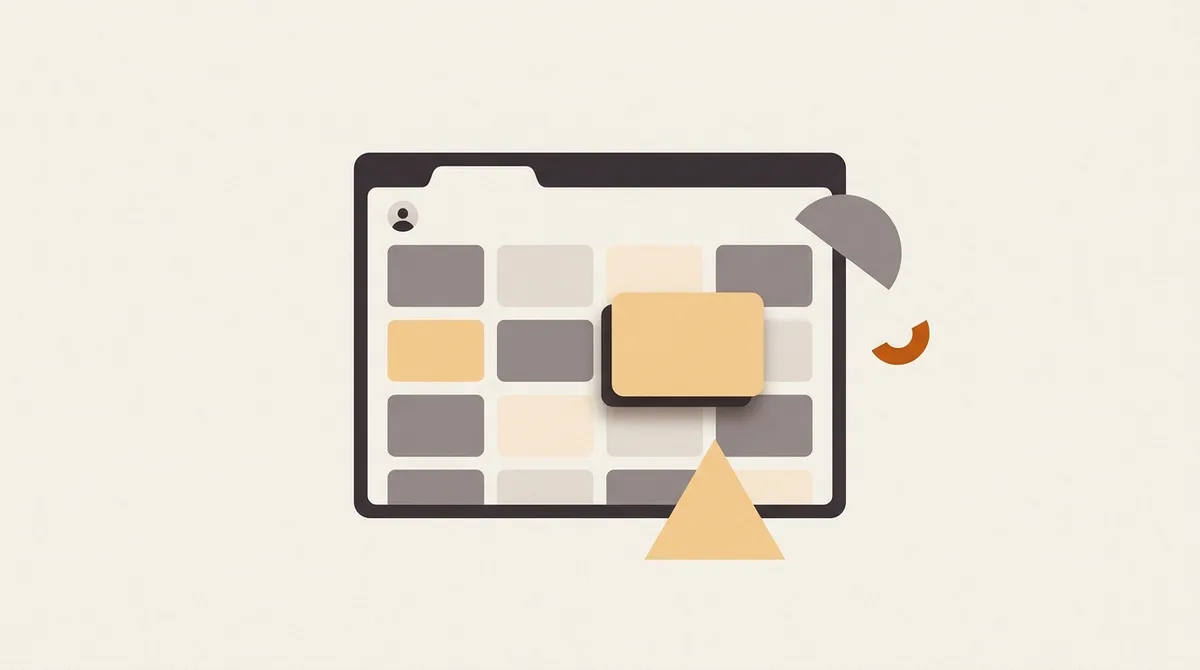
When brands look at UGC portfolio examples, they decide in seconds whether to reach out. The best pages aren't the flashiest - they're the clearest. Here's what a winning UGC portfolio actually contains, and how to build one that turns visitors into booked deals.
The anatomy of a portfolio that converts
- A hero that leads with your best video and a one-line positioning statement ("Beauty & skincare UGC that sells").
- A grid of three to six standout pieces - real work, front and center.
- Logos of brands you've worked with, or the categories you specialize in if you're newer.
- A short "how I work" section: your deliverables, turnaround, and what a package includes.
- Social proof - a testimonial or two.
- One clear call to action: a brand intake form, not a wall of links.
The difference between a link hub and a deal portfolio
Linktree combines links with embedded apps, commerce, and audience tools. A dedicated UGC portfolio leads with your work and turns a brand inquiry into a tracked deal. Choose based on the workflow you need.
What the best examples get right
- They lead with work, not words - video first, bio second.
- They make the next step obvious: one CTA, repeated, that starts a conversation.
- They include a media kit with connected data so brands get the published numbers without asking.
- They look like the creator - niche, colors, and vibe matched, not a generic template.
How to build yours
You don't need a designer or a Webflow subscription. On Cabana you claim a free link, pick a template built for UGC, and drop in your best clips - the intake form and media kit come wired in. Publish, then send that link every time a brand asks "do you have a portfolio?" And once inquiries start arriving, run them through a deal manager so each one becomes a tracked, paid deal.
FAQ